Thanksgiving has a beautiful way of bringing generations together. Around tables filled with familiar dishes and family traditions, stories are shared, memories are revisited, and gratitude finds its way into our conversations.
But have you ever considered that gratitude itself is something we can pass down?
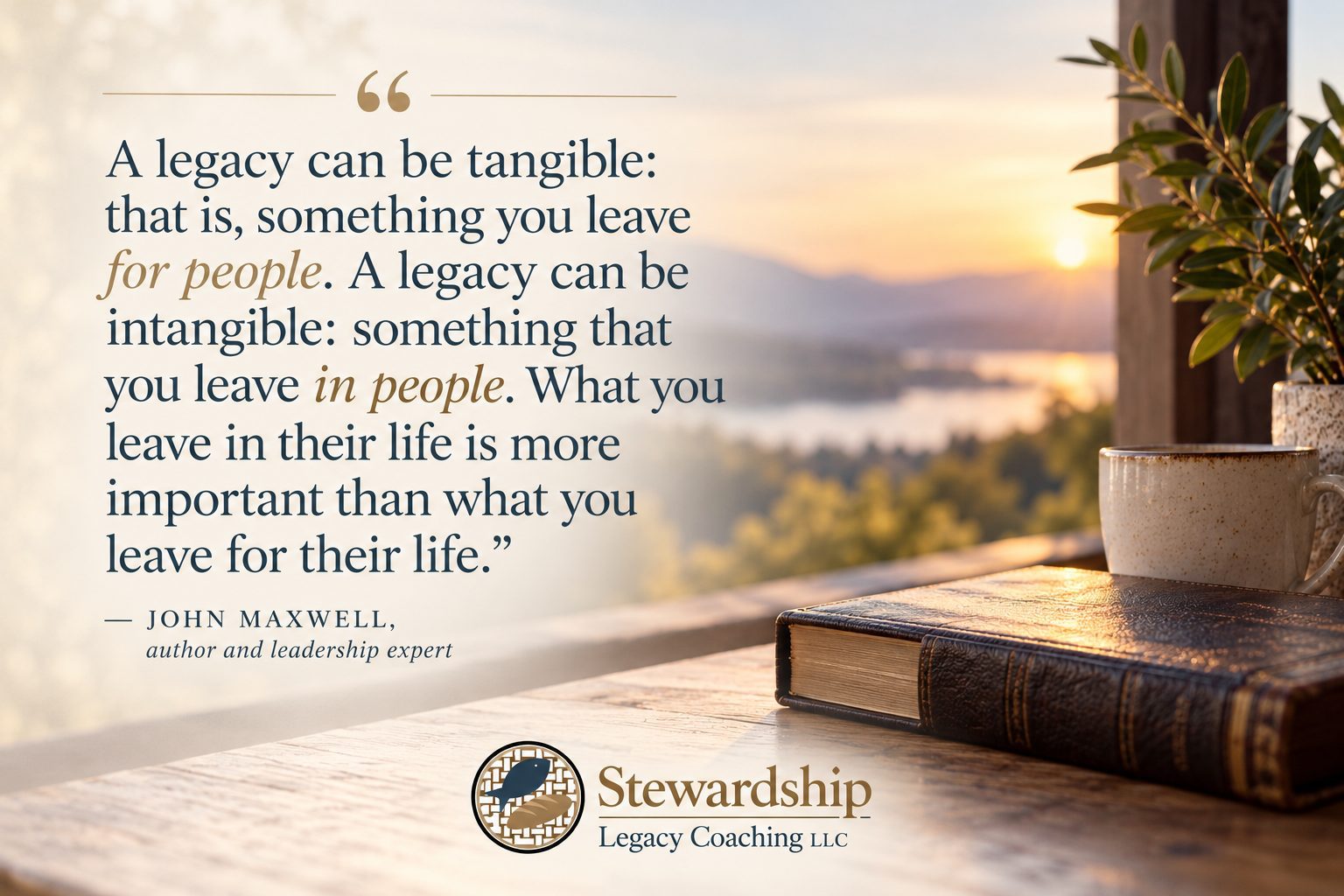
We often think about legacy in terms of what we leave behind—financial resources, family heirlooms, property, or carefully prepared estate plans. Yet some of the most meaningful gifts we give the next generation are not things they will someday inherit. They are perspectives and values they learn from us today.
And gratitude may be one of the most important.
When Gratitude Becomes Part of Our Legacy
Children and grandchildren learn much about life by observing how we respond to it.
They notice whether we express appreciation for what we have or continually focus on what we lack. They hear how we speak about financial blessings, difficult circumstances, and the people who have helped us along the way.
Our attitudes quietly communicate what we value.
When gratitude becomes part of our daily lives, we teach the next generation that contentment is not dependent on circumstances and that God’s goodness is not measured by material abundance.
This does not mean pretending that life is always easy. Some of the most powerful lessons in gratitude come from seasons of difficulty, when we can look back and recognize God’s faithfulness even when the outcome was not what we expected.
A grateful heart does not deny hardship. It remembers God’s presence in the midst of it.
Tell the Stories Behind the Blessings
Psalm 145:4 reminds us that one generation is responsible for declaring God’s works to another.
What a beautiful picture of legacy.
Our families need more than an account of what we accumulated. They need to understand how God provided, guided, corrected, and sustained us throughout our lives.
Perhaps there was a season when money was scarce, but an unexpected opportunity provided exactly what was needed. Maybe someone extended generosity when your family was struggling. Perhaps a difficult financial decision taught you the importance of patience, integrity, or trusting God.
Those stories are worth preserving.
When we share them, we give the next generation something that cannot be purchased: a testimony of God’s faithfulness.
And sometimes the stories that matter most are not about extraordinary blessings, but ordinary moments of provision that we might otherwise overlook.
The Difference Between Entitlement and Gratitude
One of the challenges families face when transferring wealth is helping the next generation appreciate what they receive.
An inheritance may represent decades of sacrifice, diligence, generosity, and wise decisions. Yet without understanding the story behind those resources, heirs may see only the financial value rather than the purpose and responsibility attached to them.
Gratitude changes that perspective.
Instead of viewing an inheritance simply as something they are entitled to receive, future generations can learn to recognize it as something entrusted to their care.
This is where intentional legacy planning becomes so important.
Conversations about wealth should include more than account balances and beneficiary designations. They should communicate the values that guided the accumulation of those resources and the hopes behind their eventual transfer.
When gratitude accompanies inheritance, stewardship becomes more meaningful.
Make Thanksgiving a Legacy Moment
Thanksgiving provides a wonderful opportunity to begin these conversations naturally.
As your family gathers, consider inviting each person to share a blessing from the past year or a memory of someone whose generosity made a difference in their life.
You might share a story about a financial lesson that shaped your family or explain why supporting a particular ministry or charitable organization has been important to you.
These conversations need not be formal or lengthy. Sometimes the most lasting lessons emerge during ordinary moments around the dinner table.
The goal is not simply to encourage everyone to say thank you.
It is to help the next generation understand why we have so much to be thankful for.
What Will Your Gratitude Leave Behind?
Someday, the people we love may inherit the resources we have accumulated. They may receive homes, investments, family possessions, or other tangible expressions of our life’s work.
But long before that day arrives, they are already receiving something from us.
They are learning how we view money, how we respond to challenges, how we treat others, and whether we recognize God’s hand in our lives.
Those lessons become part of our legacy.
At Stewardship Legacy Coaching, we believe a meaningful legacy involves more than transferring assets. It includes preparing the next generation to receive those assets with wisdom, responsibility, and a clear understanding of the values that shaped them.
We help families create opportunities for meaningful conversations, preserve the stories behind their wealth, and communicate the faith and principles they hope will continue for generations.
This Thanksgiving, as you count your blessings, consider the opportunity you have to share them in ways that will endure.
Because one of the greatest gifts we can leave our families is not simply a life filled with blessings.
It is a heart that knows how to recognize them.
May your Thanksgiving be filled with gratitude, meaningful conversations, and the joy of celebrating God’s faithfulness across generations.
“One generation commends your works to another; they tell of your mighty acts.” — Psalm 145:4 (NIV)
Happy Thanksgiving from Stewardship Legacy Coaching!
Yours for a Thriving Legacy,
Jeff Rogers & Your SLC Team